AMIE ONE
To Sustain & Grow The Light of Our Timeless Wisdom, Compassion & All Virtues
To Sustain & Grow The Light of Our Timeless Wisdom, Compassion & All Virtues

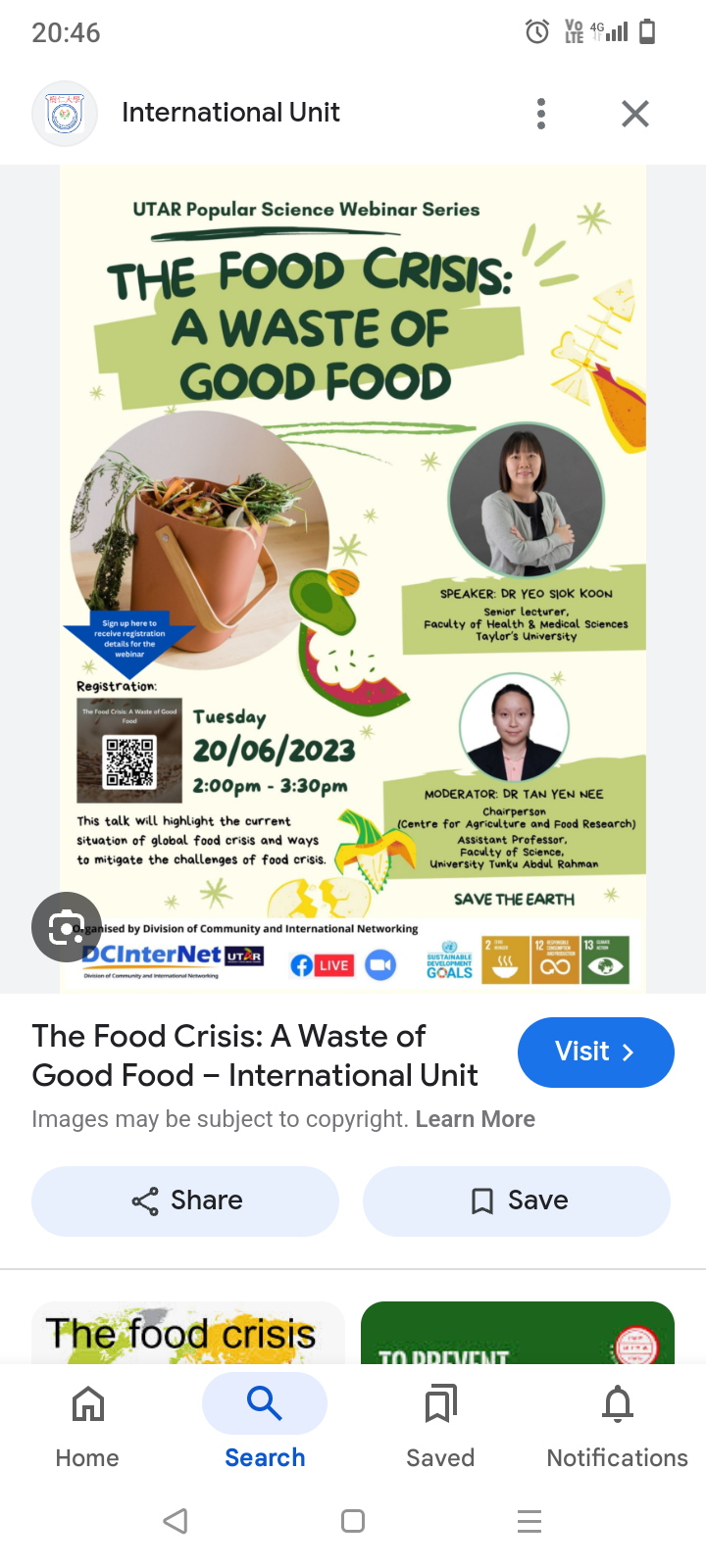
How can we survive a food shortage
AN202506Food crises are shocks to food systems that lead to severe disruptions and cause a surge in acute food insecurity. Food system shocks have diverse causes and impacts. Today, global hunger and malnutrition are rising as a result of multiple overlapping crises—persistent conflicts, climate change, the COVID-19 pandemic, and surging food prices.
"A hungry man is not a free man." "Few things have more impact than nutrition on a child's ability to survive, learn effectively and escape a life of poverty." "When I gave food to the poor, they called me a saint. When I asked why the poor have nothing to eat, they called me a communist."
Surviving a food crisis demands proactive measures to secure access to food, implement responsible dietary changes, engage with community support networks, and maintain a positive mindset. By combining personal preparedness with collective action, individuals can significantly increase their resilience in the face of food scarcity.
By Joe McCarthy
October 15, 2022
The COVID-19 pandemic, worsening climate impacts, and reverberating economic shocks have shown just how deeply interconnected countries are, and how global crises hit the world’s most vulnerable communities the hardest.
This is particularly true when it comes to the global hunger crisis, which has exploded in recent years. Globally, more than 828 million people go to bed hungry every night and the number of people facing acute food insecurity — meaning they get so little food they face severe health complications — has nearly tripled since 2019, soaring from 135 million people to 345 million people in 2022.
The urgency of this crisis informs the theme of this year’s World Food Day: “Leave NO ONE Behind.”
“In the face of global crises, global solutions are needed more than ever,” the United Nations’ Food and Agriculture Organization said in a call to action. “By aiming for better production, better nutrition, a better environment, and a better life, we can transform agrifood systems and build forward better by implementing sustainable and holistic solutions that consider development in the long term, inclusive economic growth, and greater resilience.”
The emphasis on leaving “no one” behind serves as a reminder that, year after year, billions of people are left behind by the global food system, which fails to prioritize the nutritional well-being of communities. Living up to this mandate means adequately investing in and supporting solutions that are available today.
GoodKarma