AMIE ONE
To Sustain & Grow The Light of Our Timeless Wisdom, Compassion & All Virtues
To Sustain & Grow The Light of Our Timeless Wisdom, Compassion & All Virtues

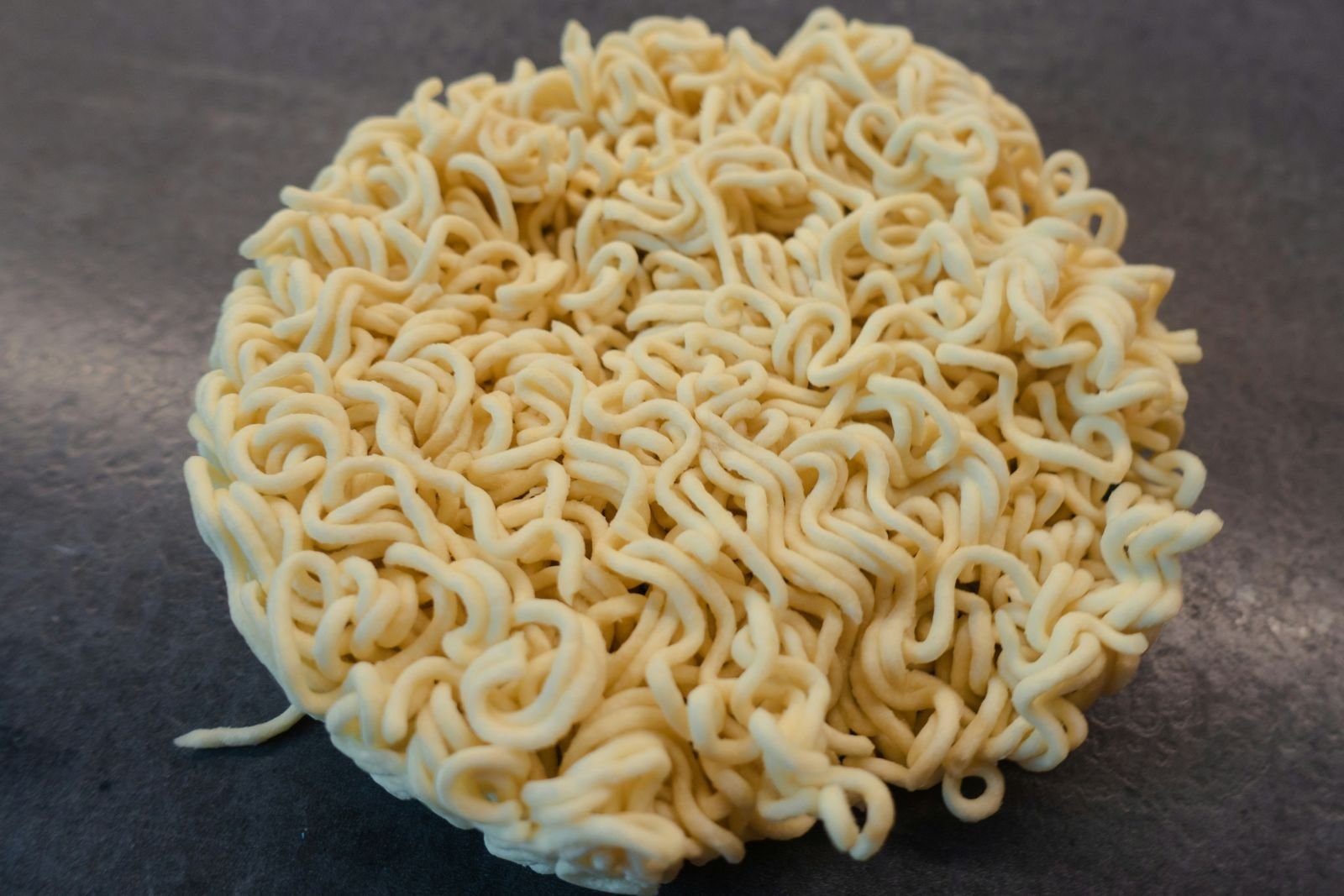
Why Do Instant Noodles Taste So Good?
Let's be real - it is probably not the noodles themselves, but that little soup packet that makes them so deliciously addictive.
The secret? Artificial flavour enhancers. These are chemical compounds added to trick your taste buds into thinking something tastes amazing. The most common ones include:
MSG (Monosodium Glutamate) – also known as INS621 or E621
Disodium Guanylate – also known as INS627 or E627
Disodium Inosinate – also known as INS631 or E631
Sodium-5'-ribonucleotide – a combo of 627 + 631, labeled as I+G, INS635 or E635
Pick up almost any packet of instant noodles, and chances are you’ll spot at least one of these on the ingredients list.
Now here’s the catch: even when a product claims “No added MSG”, that usually just means no MSG was added. It can still contain added E627, E631, or E635 — compounds that produce the same “umami bomb” effect. So even if you're avoiding MSG, you might still be eating chemicals that simulate flavour and override your natural taste signals.
Yes, glutamates, inosinates, and guanylates do occur naturally in foods like tomatoes, mushrooms, and seaweed — but in far smaller amounts. It's costly to concentrate these from real food, which is why synthetic versions have become the go-to for enhancing flavour in everything from bouillon cubes to instant soups and sauces.
Let's rewind to the time before the early 1900s — before these flavour enhancers were commecially available, people weren’t exposed to artificially amplified taste with every meal. Today, we’re constantly conditioned with these chemicals to crave and expect bold, intense flavours, in our food. In so doing, we've become desensitized to the subtle, real taste of natural food. Home-cooked meals can end up tasting “bland” simply because they’re not chemically engineered to hit your taste receptors like a lightning bolt.
For thousands of years, there’s no way you'd consume the levels of glutamates, guanylates, and inosinates we’re now getting daily. But modern diets make that not only possible — but almost "unavoidable". And that raises a question worth asking: What’s the long-term effect of this continuous exposure on our health?
The good news? As consumers, we have the power to shift this. By choosing products made without added artificial flavour enhancers, we can gradually retrain our palates to enjoy food for its real, unmasked taste. Healthier eating doesn’t have to mean boring—it can mean rediscovering flavours we’ve forgotten how to enjoy.


